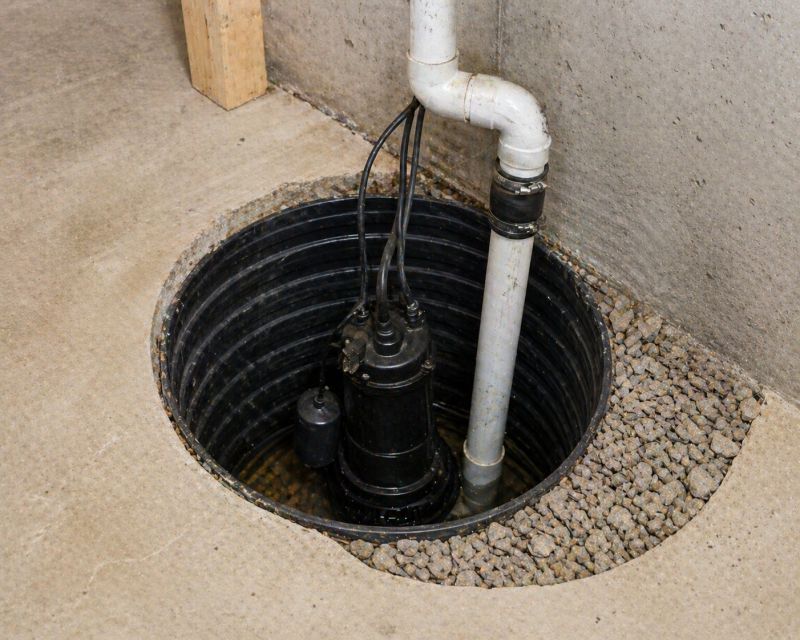
Sump Pump Installation in Boston, MA
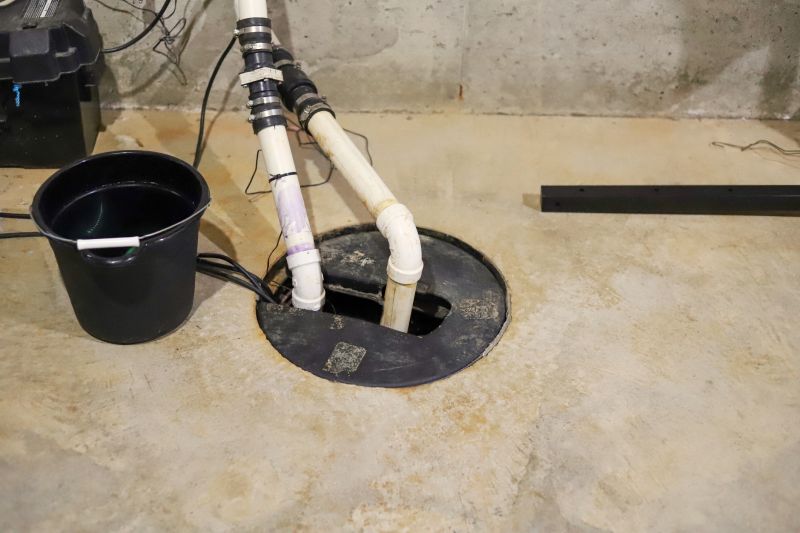
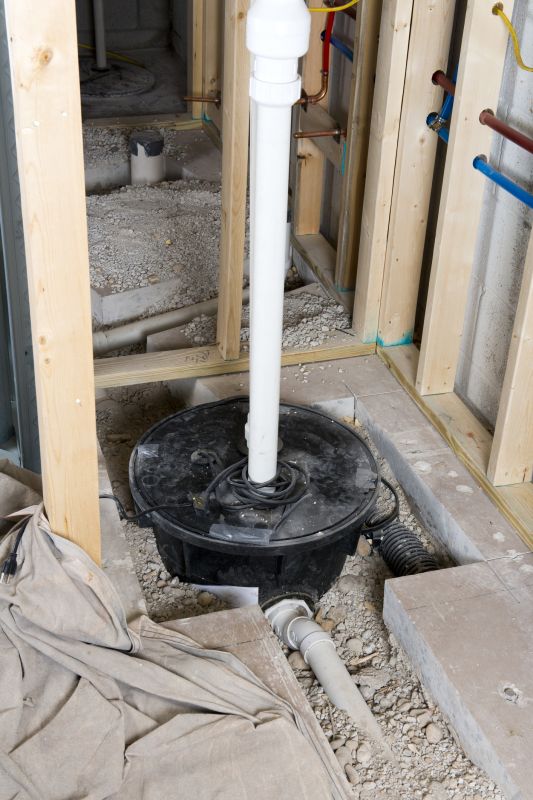
Sump pump installation services focus on setting up reliable systems designed to protect properties from basement flooding and water damage. These systems are typically installed in areas prone to heavy rainfall, melting snow, or high groundwater levels. Homeowners often request sump pump installations when they experience frequent flooding issues or want to prevent potential water intrusion during severe weather events. The process involves placing a pump in a sump basin, usually located in the basement or crawl space, and connecting it to proper drainage to ensure excess water is efficiently removed from the property.
Before requesting a sump pump installation, property owners should consider factors such as the size of the space requiring protection, the volume of water that needs to be managed, and the type of sump pump best suited for their specific needs. It’s also important to understand the location of existing drainage systems and any electrical requirements for the pump. Proper assessment ensures the system is correctly sized and positioned to provide effective water management, helping to safeguard the property against water-related issues.
Many property owners in Boston, MA look into Sump Pump Installation for repairs, replacements, upgrades, and appearance-related improvements.
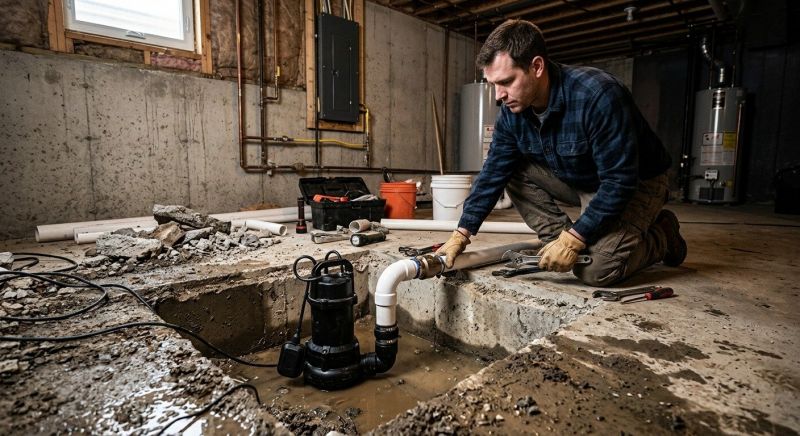
Sump Pump System Benefits
A properly installed sump pump helps protect basements from flooding and water damage during heavy rains.
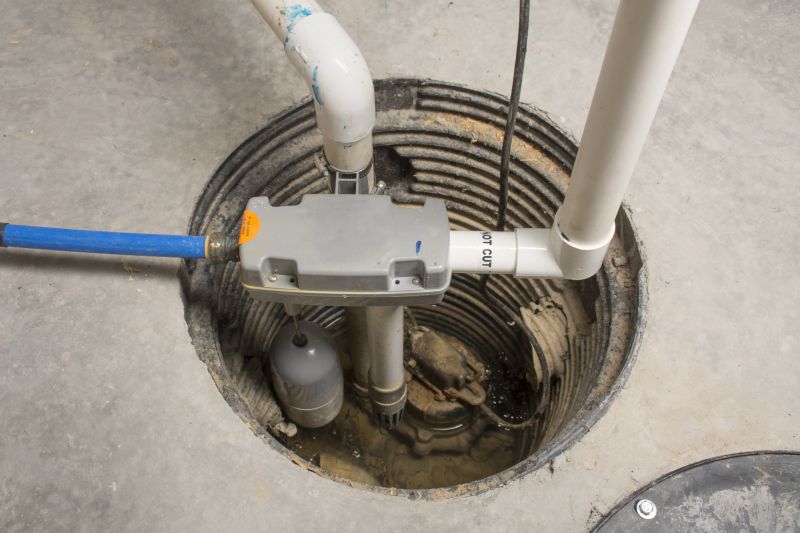
Installation Considerations
Choosing the right sump pump involves assessing basement size, water table levels, and drainage needs in boston homes.
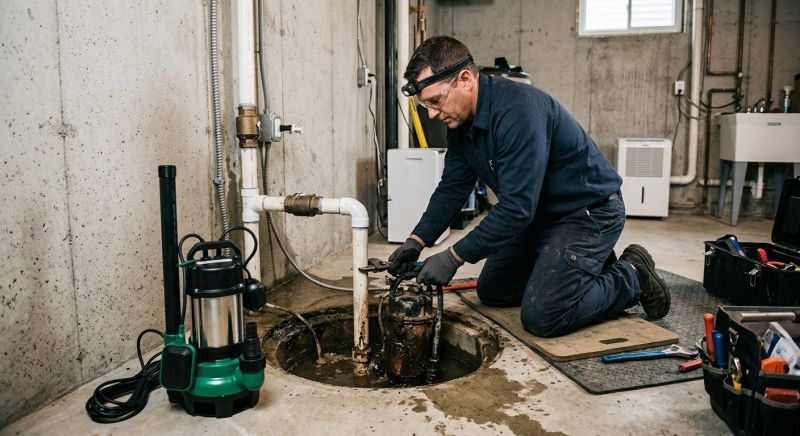
Maintenance And Reliability
Regular testing and maintenance ensure the sump pump functions effectively when needed most during storms.
Sump Pump Installation in Boston, MA

Sump pump installation services focus on setting up reliable systems designed to protect properties from basement flooding and water damage. These systems are typically installed in areas prone to heavy rainfall, melting snow, or high groundwater levels. Homeowners often request sump pump installations when they experience frequent flooding issues or want to prevent potential water intrusion during severe weather events. The process involves placing a pump in a sump basin, usually located in the basement or crawl space, and connecting it to proper drainage to ensure excess water is efficiently removed from the property.
Before requesting a sump pump installation, property owners should consider factors such as the size of the space requiring protection, the volume of water that needs to be managed, and the type of sump pump best suited for their specific needs. It’s also important to understand the location of existing drainage systems and any electrical requirements for the pump. Proper assessment ensures the system is correctly sized and positioned to provide effective water management, helping to safeguard the property against water-related issues.
Many property owners in Boston, MA look into Sump Pump Installation for repairs, replacements, upgrades, and appearance-related improvements.
Common Sump Pump Installation Jobs
Sump pump installation involves setting up a system to prevent basement flooding during heavy rain.
Basement waterproofing services include installing sump pumps to keep water out of living spaces.
Flood prevention systems help protect properties from water damage caused by groundwater or storms.
Sump pump upgrades can improve existing systems for more reliable water removal.
New sump pump setup is essential for homes in flood-prone areas or with high water tables.
Drainage system integration ensures proper water flow away from foundations to maintain dry basements.
Sump Pump Installation Questions
What is a sump pump and why is it needed? A sump pump helps remove excess water from basements and crawl spaces, preventing flooding and water damage during heavy rains or snowmelt.
How is a sump pump installed? Installation involves placing a pump in a sump basin typically located in the basement or crawl space, with piping that directs water away from the property.
What types of sump pumps are available? There are primarily submersible pumps, which sit entirely underwater, and pedestal pumps, which have a motor above the basin; each suits different needs.
When should a new sump pump be installed? A new sump pump may be needed during basement renovations, if the existing pump fails, or if the current system no longer provides adequate water removal.
Request Sump Pump Installation in Boston, MA
Use the quote form on this page to share the basics of your project and request more information for the type of work you need.